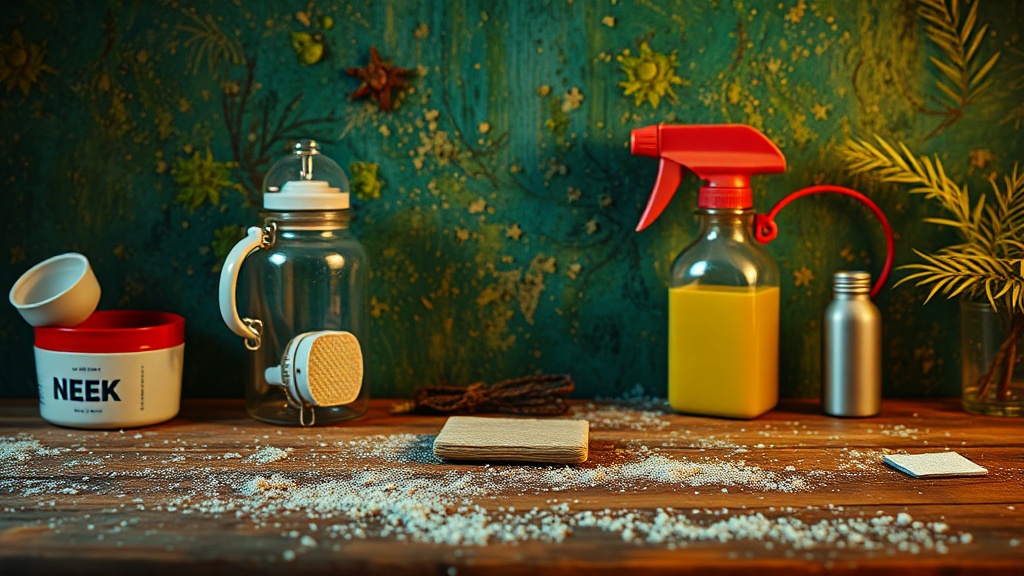
7 Unexpected Household Items for Impasto Textures

The Serrated Kitchen Knife
The Plastic Comb
The Old Credit Card
The Natural Sea Sponge
The Metal Fork
The Corrugated Cardboard Strip
The Bent Paperclip
Most artists believe that achieving heavy, sculptural impasto requires a specialized toolkit of professional-grade palette knives and expensive heavy-body acrylics. That's a mistake. While high-quality tools have their place, the most striking textures often come from unconventional, low-cost items found in your kitchen or junk drawer. This post explores seven household items that can replicate the thick, tactile ridges of traditional oil painting without the professional price tag.
Can You Use Kitchen Tools for Painting?
Yes, you can use common kitchen tools to create deep, dimensional textures in your art. Kitchen implements are designed to manipulate- food—which is a great way to think about manipulating thick paint. A standard offset spatula used for frosting cakes is essentially a professional-grade palette knife in disguise. If you've ever used a dull butter knife to spread something on toast, you've already practiced the basic mechanics of impasto.
The key is understanding the "drag" of the tool. A blunt edge will move paint differently than a sharp, tapered edge. For instance, a plastic spatula from a Wikipedia entry on kitchenware might create softer, more rounded peaks, whereas a metal spreader creates sharp, defined ridges.
1. The Plastic Spatula (The Frosting Method)
If you have an old frosting spatula or even a sturdy plastic spatula from a takeout order, keep it. These tools are perfect for spreading large volumes of heavy-body acrylic or even modeling paste. Because they are often slightly flexible, they allow you to "sculpt" the paint rather than just painting it. You can create swirling, topographical patterns that look almost three-dimensional.
Don't be afraid to use a heavy hand. The goal is to build up the medium so that it holds its shape once it dries. If your paint is too runny, the spatula will just flatten the texture out. You want the consistency of peanut butter or thick dough.
2. The Serrated Bread Knife
A serrated knife introduces a jagged, rhythmic texture that a flat palette knife can't touch. By dragging the teeth of the knife through wet paint, you create a series of grooves and ridges. This works exceptionally well for simulating organic textures like bark or rough stone. It's a bit messy, but the results are worth it.
Just a word of warning: don't use your good cutlery. A cheap, dull bread knife from a thrift store is much better for this. You're essentially using the tool to "carve" the paint while it's still wet. If you're interested in how to layer these textures more effectively, check out my previous post on building texture with found objects.
What Are the Best Household Items for Thick Paint?
The best household items for thick paint are those that possess a rigid structure and a predictable edge. You aren't looking for soft or flimsy tools; you need something that can move a significant weight of medium without buckling. This includes items like credit cards, combs, and even old credit cards.
Here is a quick breakdown of how different common items affect your paint surface:
| Household Item | Texture Result | Best Use Case |
|---|---|---|
| Old Credit Card | Flat, wide sweeps | Large-scale color blocking |
| Fine-tooth Comb | Linear, rhythmic grooves | Simulating hair or grass |
| Textured Coaster | Repeating geometric patterns | Abstract background layers |
| Fork | Deep, thin striations | Fine-line detail in thick paint |
3. The Old Credit Card (The "Scraper" Technique)
An expired credit card or a loyalty card is a versatile tool. You can use the edge to scrape paint across the canvas, a technique often called "sgraffito." This creates a very thin, controlled line of texture. If you hold the card at a steep angle, you can create sharp, architectural ridges that look incredibly intentional.
It's a great way to get a clean, flat edge that doesn't require a specialized scraper. If the card is slightly bent, you can even use the curve to create organic, flowing shapes.
4. A Plastic Comb
Combs are underrated. The spacing of the teeth allows you to create incredibly consistent, repetitive patterns. If you're working with a thick medium, a comb can create deep valleys that hold light and shadow beautifully. This is a fantastic way to add a sense of rhythm to an abstract piece.
The catch? If you're using a very thick paint, the grooves might fill in as the paint settles. You'll want to work quickly or use a medium with high viscosity to ensure the pattern stays visible. This is where the physics of the medium matters—think about the viscosity of your fluid before you start.
5. Corrugated Cardboard
Cardboard isn't just for shipping; it's a texture machine. If you peel away the top layer of a piece of corrugated cardboard, you'll reveal a wavy, undulating surface. Pressing this into wet paint or dragging it through the paint creates a wonderful, undulating texture that mimics waves or sand dunes. It's a cheap, highly effective way to add depth to your work.
Be careful with moisture. If your paint is too wet, the cardboard might soften and lose its shape. Use it while the paint is still thick and "stiff."
How Do You Prevent Paint Cracking in Impasto?
To prevent paint cracking, you must ensure your layers are consistent and that your medium is compatible with your paint. Cracking usually happens when a top layer dries faster than the layer beneath it, or when the paint is applied too thickly without enough binder. Using household items can sometimes lead to uneven drying, so keep an eye on your work.
6. A Plastic Fork
A fork is the perfect tool for adding fine-line detail to a heavy-bodied surface. Unlike a brush, which might flatten out under pressure, the tines of a fork can slice through thick paint to create deep, precise grooves. It's perfect for adding "grit" to a piece or creating fine-line patterns in a thick, sculptural layer.
It's also a great way to blend colors within a thick layer without losing the texture. You can drag the tines through two different colors to create a marbled, textured effect that looks much more complex than simple brushwork.
7. A Textured Coaster or Fabric Scrap
If you want a repeating, patterned texture, look at your coasters. A cork coaster or a textured plastic one can be pressed into the paint to create a "stamp" effect. This is a much more interesting way to create pattern than just painting it on. It adds a physical, tactile dimension that a flat brush simply cannot achieve.
You can also use a piece of crumpled fabric or a burlap sack. Lay the fabric over your wet paint and then drag a tool over it—or even just press it down. This creates a "stipple" effect that adds immense character to the surface. It's a great way to break up the monotony of a flat plane.
When working with these heavy textures, remember that the light will hit your piece differently. The shadows cast by your ridges are just as important as the paint itself. If you find yourself struggling with the color transitions within these thick areas, you might want to revisit how you handle pigment. I've written about mastering color mixing, which is a helpful way to ensure your textures don't look muddy.
Experiment with these tools. The goal isn't to follow a specific rule, but to see how the material responds to the object. Sometimes, the most "unprofessional" tools yield the most professional-looking results.