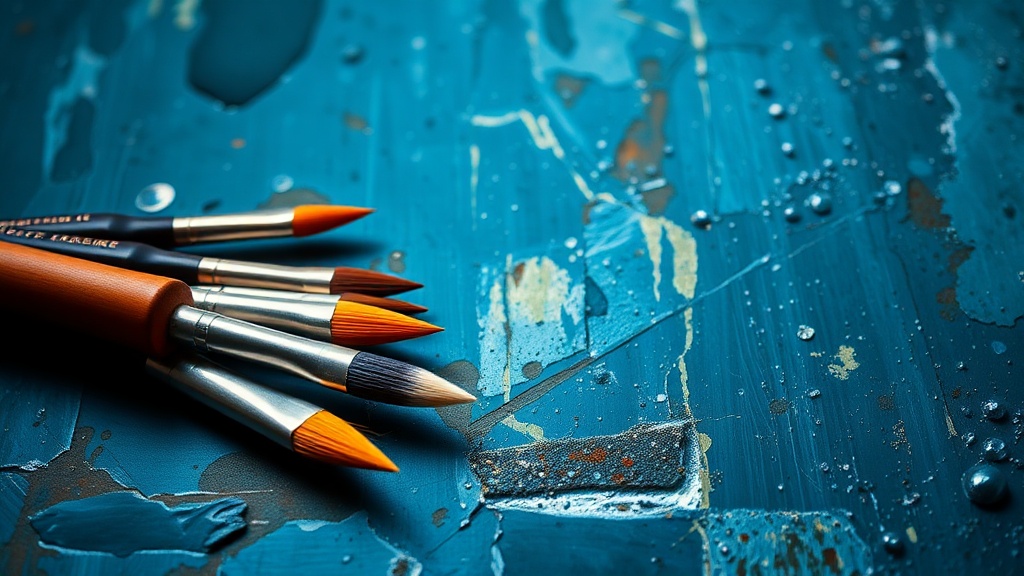
Selecting High-Performance Brushes for Oil Painting

This guide covers the technical selection of brushes for oil painting, focusing on how hair type, filament stiffness, and ferrule construction affect your paint application. You'll learn to identify which tools suit specific textures and how to maintain them to prevent premature wear.
Choosing a brush isn't just about picking a shape; it's about understanding the relationship between the tool and the medium. Oil paint is heavy, viscous, and slow-drying. If you use a brush that's too soft, you'll struggle to move the pigment. If it's too stiff, you might lose the subtle-nuanced edges you're aiming for. It's a balance of tension and control.
What is the difference between synthetic and natural hair brushes?
The debate between natural hair and synthetic filaments often comes down to the specific task at hand. Natural hair brushes—specifically hog bristle and sable—have been the standard for centuries because of their predictable behavior. Hog bristle is much stiffer (think of it as a rugged, textured tool) and is ideal for heavy impasto work or moving thick oil paint around the canvas. Sable, on the other hand, is much finer and softer, making it a favorite for detailed, smooth work.
Synthetic brushes have improved significantly over the last decade. Modern synthetic filaments are designed to mimic the qualities of natural hair but often offer more durability and a lower price point. They are excellent for blending and working with much thinner layers of paint. If you're looking for a tool that can handle both detail and a bit of texture without the high cost of premium sable, high-quality synthetics are a solid choice. You can find excellent technical breakdowns of filament behavior at resources like Artnet, which often discusses the evolution of art materials.
Understanding Bristle Stiffness and Paint Weight
When you're working with oil, the weight of your paint dictates your brush choice. If you're using heavy-body oils, a soft, flimsy brush will simply collapse under the weight of the pigment. You need something with enough "spring" to push back against the canvas. This is where hog bristles excel. They have a natural grit that helps distribute the paint while maintaining the shape of the stroke.
For glazing or detail work, you want a brush that can hold a fine point and release paint smoothly. This is where the tension of the bristles matters most. A brush with too much stiffness will leave visible tracks in your glaze, ruining the translucency. You might want to look into the specific properties of different hair types via the The Color Foundation archives to understand how pigments interact with different surface tensions. A brush that holds its shape is a brush that gives you control over your final mark-making.
Which brush shapes work best for different techniques?
The shape of the brush head—the "belly" and the "tip"—determines how much paint it can hold and how it will release that paint. Here are the most common shapes you'll encounter in a professional studio:
- Flat Brushes: These have a wide, square end. They're great for broad strokes and filling in large areas of color.
- Filbert Brushes: A hybrid between a flat and a round brush. The oval tip allows for both precise edges and soft, blended strokes. They're incredibly versatile for most oil painters.
- Round Brushes: These are your go-to for detail and fine lines. They hold a significant amount of paint in the "belly" and release it through a pointed tip.
- Fan Brushes: Used primarily for blending and creating soft textures like foliage or clouds.
Don't feel restricted by a single shape. Many artists find that a well-used filbert can handle a large portion of their work, from blocking in shapes to refining edges. The goal is to choose a shape that complements the movement of your hand and the thickness of your paint.
The Importance of Ferrule Quality and Longevity
The ferrule is the metal part that connects the bristles to the handle. It's often overlooked, but it's a frequent point of failure in cheaper brushes. A poorly made ferrule can loosen over time, causing the bristles to fall out or the shape to deform. A high-quality ferrule should be tightly crimped and ideally made of nickel-plated brass or stainless steel to prevent rusting from the solvents you'll inevitably use.
When you're selecting brushes, look for a ferrule that feels sturdy and doesn't wiggle when you apply pressure. A solid ferrule ensures that the "snap" of the brush remains consistent throughout your painting session. If the ferrule is weak, the brush will lose its ability to hold its shape, and you'll find yourself constantly reshaping the tip with your fingers (which is a habit you should try to avoid, as the oils from your skin can affect the bristles).
Maintaining your tools is just as important as the initial purchase. Always clean your brushes thoroughly with a dedicated brush soap or a mild solvent, and never leave them sitting in a jar of turpentine or mineral spirits. Leaving a brush upright in a solvent will cause the bristles to splay and lose their shape permanently. Instead, lay them flat or hang them bristles-down to dry. This simple habit will extend the life of your tools significantly.