
Exploring Creative Practice: Unveiling Artistic Methods and Approaches

The Essence of Creative Practice
Creativity, the lifeblood of the artistic world, often starts from a place of curiosity and exploration. Every artist embarks on a unique journey, building their own methods, techniques, and rituals that form the backbone of their creative process. In this post, we’ll explore how creative practice shapes the work of visual artists, diving deep into some of the core practices that define artistic expression.
Understanding the Creative Process
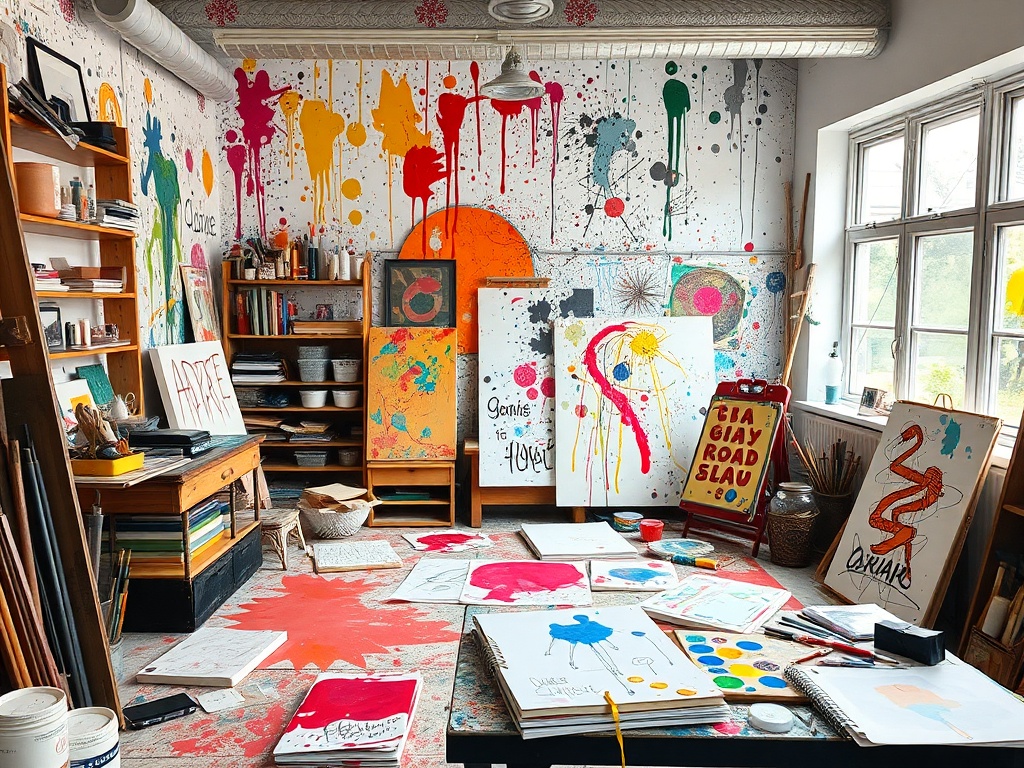
At its core, creative practice involves both the mental and physical aspects of making art. This includes a wide variety of actions, from gathering inspiration and sketching initial concepts to experimenting with materials and techniques. The creative process is often unpredictable, flowing between stages of intense focus and free exploration.
One of the most defining characteristics of a creative practice is its adaptability. Artists often try multiple approaches, finding new ways to express their ideas and emotions. While there is no set formula, a consistent commitment to creativity can result in profound personal and professional growth.
The Role of Observation and Exploration
Successful creative practice requires a constant dialogue with the world around us. Artists frequently draw inspiration from nature, daily life, or even their own emotions. Observing the world through a unique lens allows artists to bring new perspectives to their work, whether through painting, sculpture, or digital media.
Exploration is an integral part of this process. Experimenting with different mediums—such as charcoal, acrylics, and mixed media—lets the artist discover novel techniques and push the boundaries of their expression. Through such exploration, their creative practice evolves continuously.
Creating Personal Rituals
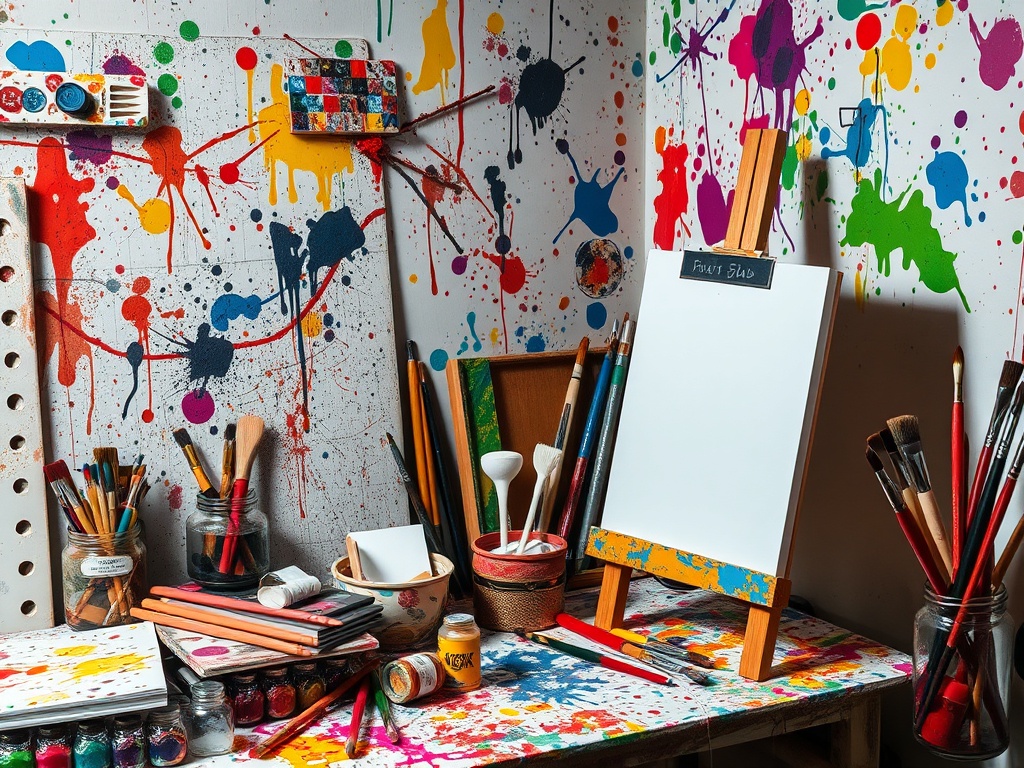
Rituals are another key element of creative practice. These are the habits, routines, and processes that artists establish to guide them through their creative journey. For some, the ritual may involve early morning sketching, while for others, it might be a specific preparation of materials or a meditative practice before starting work. These rituals ground the artist, providing structure in an otherwise fluid and sometimes chaotic process.
Developing Technique: Skill Through Repetition
Technique plays a vital role in creative practice. It’s the foundation upon which artistic ideas are brought to life. However, technique is not static. It evolves over time through repetition and the refinement of skills. Every brushstroke, every line drawn, builds on the previous one, enhancing the artist’s ability to express their vision more clearly and powerfully.
As artists advance in their craft, they often look for ways to break away from technical perfection, embracing imperfections that bring character and depth to their work. It’s in these moments of artistic freedom that truly innovative works can be born.
Finding Inspiration: A Never-Ending Source
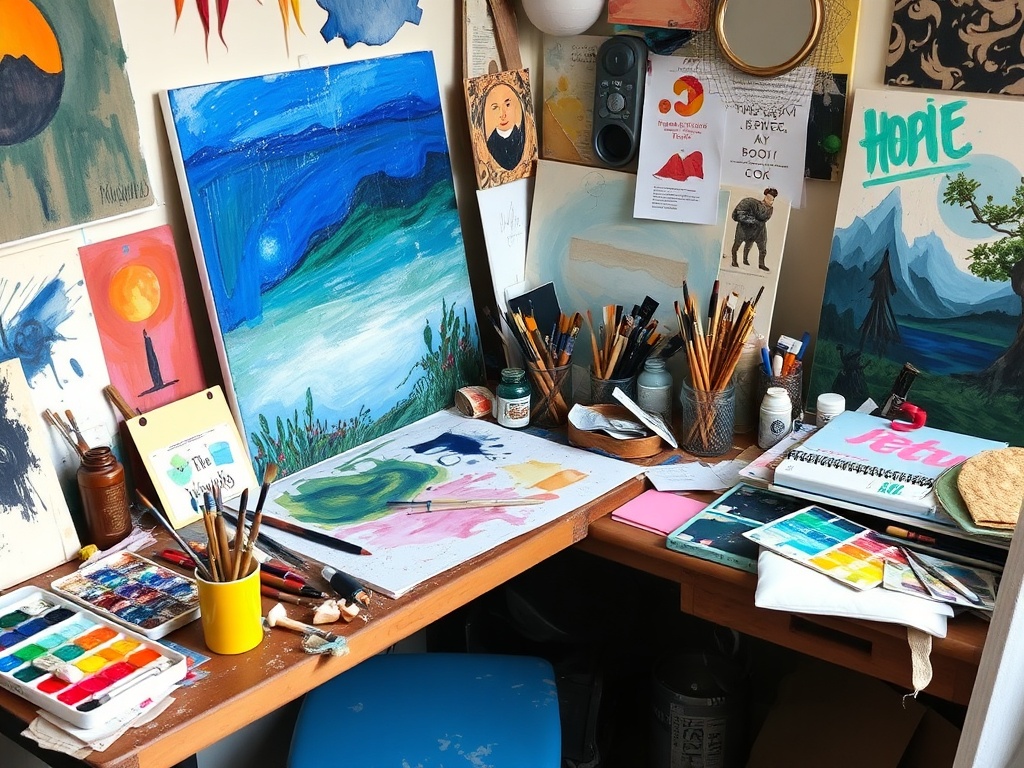
Inspiration can come from countless sources. For many artists, a walk in nature or a conversation with a fellow creative can ignite a new idea. Others may find inspiration in personal experiences or societal issues, channeling these influences into powerful works of art.
It’s important for artists to stay open to inspiration, wherever it may come from. For some, inspiration may strike in the middle of the night, while for others, it might take the form of a quiet moment of reflection. The key is to remain receptive and allow the world to offer its creative fuel.
The Journey of Self-Discovery
Ultimately, creative practice is a journey of self-discovery. It’s a process that invites introspection and personal growth. Through their work, artists not only express their unique perspectives but also learn more about themselves, their emotions, and their place in the world.
As artists push their creative boundaries, they move closer to their authentic selves, tapping into deeper layers of personal expression. This self-discovery is a continuous process, always evolving, much like the practice itself.

Conclusion
Creative practice is the foundation of all artistic endeavors, from the simplest sketch to the most intricate masterpiece. It is a deeply personal, often unpredictable process that requires patience, experimentation, and above all, passion. As artists continue to evolve and grow, so too does their creative practice, shaping the very essence of their artistic journey.
Embracing this process, with all its ups and downs, is key to understanding the true value of creativity in the world of visual arts. By respecting the journey and the work it produces, artists can continue to push the boundaries of their craft and inspire future generations.
FAQs
- What is the role of ritual in creative practice?
- Rituals help artists structure their creative process, providing a sense of routine and grounding amidst the chaos of creativity.
- How can one improve their artistic technique?
- Repetition and experimentation are key to improving technique. Consistently practicing your craft will lead to refinement and mastery.
- What are some common sources of inspiration for artists?
- Artists often find inspiration in nature, personal experiences, other cultures, or social and political issues that resonate with them.