
Exploring the Essence of Visual Arts: A Guide to Creative Practice

Visual arts, as a form of expression, have always captured the imagination of both artists and viewers alike. It’s a practice that transcends the ordinary, drawing from the depths of the human experience to create something profound. In this post, we delve into the essence of creative practice and its importance in the visual arts, while also providing practical tips to inspire your own artistic journey.
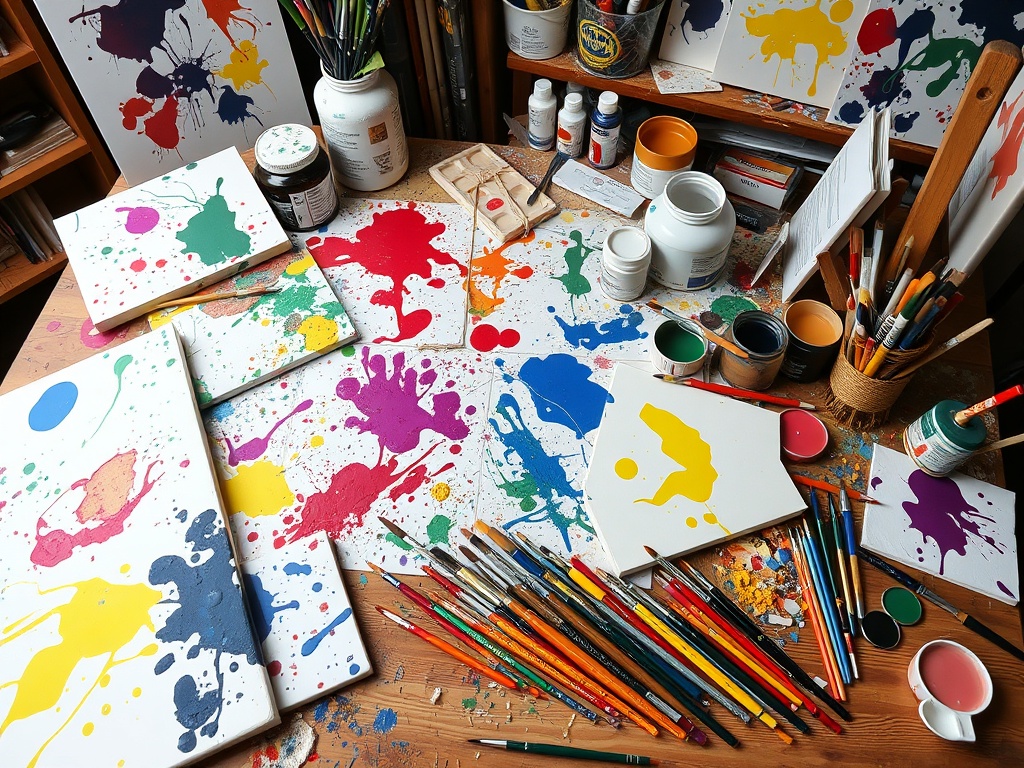
Creative practice involves the process of creating, experimenting, and refining art. It’s not just about the finished product but the journey that an artist takes to reach that point. Whether you're a seasoned professional or just starting, the importance of nurturing a consistent creative practice cannot be overstated. In this guide, we’ll explore how you can develop a creative practice that fosters growth, exploration, and inspiration.
The Foundations of Creative Practice
The foundation of any artistic practice begins with an understanding of your materials. Whether you work with oils, acrylics, or digital mediums, knowing how to handle your tools is essential. But it’s also about understanding your own artistic voice. What themes resonate with you? What stories do you want to tell through your art?
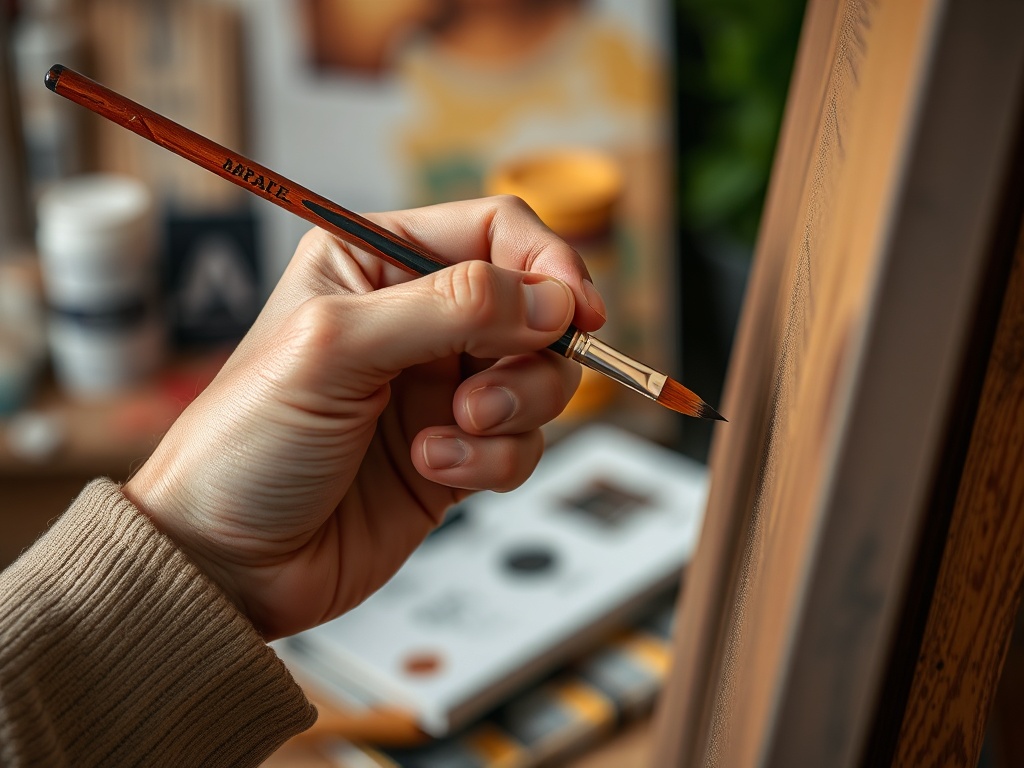
Each artist’s creative process is unique, but there are some universal principles that guide the journey. Setting aside dedicated time for your practice is key to maintaining consistency. Whether it’s an hour a day or a few days each week, committing to regular artistic exploration helps refine technique and sparks new ideas. This is the core of creative practice: consistency and commitment.
Overcoming Creative Blocks
No artist is immune to creative blocks. They can be frustrating, but they are also a natural part of the creative process. The key is to not let them deter you. Instead, view these moments as opportunities to grow and explore different avenues of creativity.
One effective way to combat creative blocks is to change your environment. A fresh perspective or a new setting can stimulate creativity. You can also try experimenting with different styles or mediums—take a break from your usual routine and push the boundaries of your artistic comfort zone.
Finding Inspiration in the World Around You
Inspiration can be found everywhere—from the natural world to urban landscapes, from everyday objects to historical events. The key is to stay curious and open-minded. Keep a sketchbook or journal with you to jot down ideas, observations, and emotions that strike you throughout the day.

Sometimes, inspiration comes from unexpected sources. It could be a conversation, a book you’re reading, or even a song you’re listening to. The world is rich with creative potential, and the more you tap into it, the more your creative practice will flourish.
Practical Tips for Cultivating a Strong Creative Practice
- Make time for art: Set aside dedicated time each day or week for your creative work. Treat it as a non-negotiable part of your routine.
- Explore different mediums: Don’t be afraid to experiment with new techniques and materials. Exploring different ways of creating can spark fresh ideas.
- Embrace mistakes: Remember, mistakes are a part of the process. They often lead to unexpected breakthroughs and new directions.
- Stay inspired: Surround yourself with inspiration—whether it’s nature, music, or other artists. Keep your mind open to new experiences.
- Collaborate: Sometimes working with other artists or creatives can lead to new perspectives and collaborative projects that push your work to new heights.
Developing a creative practice is an ongoing journey. It’s about committing to the process, experimenting with new ideas, and constantly refining your skills. Whether you’re a beginner or an experienced artist, nurturing your creative practice will help you find your unique voice and elevate your work.
Conclusion: Embrace Your Artistic Journey
Visual arts offer endless opportunities for self-expression and discovery. By dedicating time to your creative practice, overcoming obstacles, and staying open to new ideas, you can cultivate an artistic journey that is both fulfilling and transformative. Remember, the key to success in the arts is perseverance and passion.
Now, go ahead and pick up your paintbrush, pencil, or stylus—your creative adventure is waiting.